
Introduction
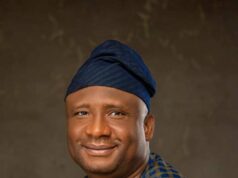
Nigeria’s political landscape has been repeatedly marred by actions of impunity, fueled by a culture of entitlement and disregard for the rule of law among its elite. This disturbing trend is spotlighted in the recent incident involving Alexander Mascot Ikwechegh, a Nigerian House of Representatives member from Abia State, who verbally and physically harassed a Bolt driver, Stephen Abuwatseya, in Abuja. Ikwechegh’s behavior — from his barrage of insults to his open threats to make the driver “disappear” — encapsulates the deep-seated problem of impunity in Nigerian politics. The episode has ignited outrage online, but will it lead to real change? This article explores how incidents like this underscore the need for urgent reforms to curb impunity among political officeholders.
A Culture of Impunity: The Roots
Impunity within Nigeria’s political class has roots in the nation’s colonial and post-independence history, where power was often equated with absolute authority. Over time, this notion that political office confers limitless privilege has only solidified. In Nigeria, political elites often exploit their positions not to serve but to dominate, emboldened by the assumption that laws are enforced selectively — against the poor, while shielding the powerful. Ikwechegh’s case exemplifies this entitlement: his refusal to walk to the driver’s car for his delivery, followed by a tirade of abuse and threats, reflects an attitude that political officeholders are above basic courtesies, let alone the law.
Ikwechegh’s Actions as a Reflection of a Systemic Issue
The incident with Ikwechegh is symptomatic of a broader systemic issue that extends beyond one individual. It is not merely a matter of personal misconduct but rather a reflection of a political culture where violence, intimidation, and disdain for the rule of law are common among Nigeria’s leaders. His behavior resonates with the 2019 scandal involving a senator who assaulted a woman in a shop, as well as countless other incidents where officeholders abused power without facing real consequences. These repeated incidents reinforce the perception that power holders in Nigeria are not accountable to the same standards as the average citizen, deepening public cynicism about governance.
The Cost of Political Impunity
The impact of political impunity is not limited to individual cases of abuse. It has broad implications for Nigeria’s governance, economy, and society. First, when politicians act with impunity, it undermines the rule of law, creating a ripple effect that weakens institutions meant to serve the public. Citizens lose faith in the justice system and law enforcement, leading to an erosion of public trust in government. This cynicism fosters political apathy, making it more difficult to mobilize the public for genuine reforms.
Second, unchecked impunity has economic consequences. Political officeholders who act above the law are more likely to engage in corruption, using public funds for personal enrichment. This deprives the economy of resources needed for development and leaves ordinary Nigerians grappling with poverty and inadequate services. When citizens feel that their leaders are beyond reproach, it stifles the incentives for lawful behavior across society, promoting a culture where “might makes right.”
Pathways to Accountability: Possible Reforms
The incident involving Ikwechegh has brought renewed attention to the urgent need for reforms that can curb impunity in Nigerian politics. However, lasting change requires a multifaceted approach that addresses both legal and cultural dimensions.
- Strengthening Legal Mechanisms for Accountability: One of the first steps toward ending impunity is the establishment of a robust legal framework for accountability. This includes amending laws to ensure that any form of violence, abuse of office, or misconduct by public officials is met with clear legal consequences. The Code of Conduct Bureau and Code of Conduct Tribunal, as well as the Independent Corrupt Practices Commission (ICPC) and the Economic and Financial Crimes Commission (EFCC), should be empowered to act swiftly and independently against officeholders who abuse their positions. Specialized anti-corruption courts could also help in expediting cases of misconduct and corruption, removing political interference from regular judicial processes.
- Creating a Culture of Zero Tolerance for Abuse of Power: Legal reforms alone will not end impunity unless they are complemented by a cultural shift. A national campaign that promotes ethical conduct among public officeholders could help foster a sense of accountability. Educational institutions and the media can play a significant role by promoting civic education that emphasizes the responsibilities of public office and the importance of respect for all citizens. A society that rewards humility and service in public office, rather than entitlement and arrogance, will encourage more accountable leadership.
- Strengthening Civil Society and Media’s Role in Accountability: Civil society organizations (CSOs) and the media are critical in the fight against impunity. They play a watchdog role by exposing abuses of power and amplifying the voices of victims. However, CSOs and media organizations often face intimidation when they challenge powerful interests. Strengthening protections for these groups would empower them to hold public officeholders accountable. Social media, which played a crucial role in highlighting the Ikwechegh incident, has also become a powerful tool for mobilizing public opinion. Digital platforms can continue to shine a spotlight on misconduct, creating pressure for action where formal channels may be slow.
- Empowering Citizens through Whistleblower Protections and Public Engagement: Impunity persists when citizens feel powerless to challenge abuses. Implementing stronger whistleblower protections and creating accessible complaint mechanisms would allow citizens to report misconduct without fear of retaliation. Additionally, programs that promote public engagement in governance can foster a sense of ownership over public institutions. For example, town hall meetings and other forums where citizens can directly interact with their representatives provide opportunities for accountability and make political leaders more responsive to the needs and concerns of the public.
- Setting Clear Standards and Codes of Conduct for Politicians: In many countries, public officials are subject to codes of conduct that outline expected standards of behavior. Nigeria should adopt a more stringent and enforceable code of ethics for public officeholders, with consequences for violations. The National Assembly, in collaboration with ethics bodies, can develop these codes to guide politicians’ behavior and emphasize their responsibility to act with integrity. By setting these standards, Nigeria can begin to shift the culture of its political class towards one of service rather than entitlement.
Lessons from Other Countries
Other countries have addressed political impunity with notable success by establishing strong accountability mechanisms and creating a culture of transparency. For instance, South Africa’s Office of the Public Protector has been instrumental in holding public officials accountable, including the president. Similarly, Ghana’s Commission on Human Rights and Administrative Justice (CHRAJ) has made strides in tackling corruption and abuse of power. Nigeria can learn from these models by enhancing the independence and powers of its own accountability institutions, ensuring that they can act without fear of political retribution.
Conclusion
The actions of Alexander Ikwechegh may seem isolated, but they are emblematic of a deeper malaise in Nigeria’s political system. For too long, Nigerian politicians have operated with impunity, shielded from accountability by a weak legal system and a culture that rewards entitlement. However, change is possible. By reforming legal frameworks, strengthening civil society, promoting a culture of respect, and empowering citizens, Nigeria can begin to curb the cycle of impunity that has plagued its political landscape.
Ending impunity in Nigerian politics is not just about preventing incidents like the Ikwechegh case. It is about building a political culture where respect for the rule of law and for fellow citizens becomes the norm. It is about creating a society where political office is seen not as a license for entitlement, but as a responsibility to serve. Only then can Nigeria achieve the democracy its people deserve.